







Search Results for: Latte Parameters

A Guide to Pairing Latte with Espresso Beans: Iced vs. Hot Preparation Differences, Extraction Parameters, and Milk-to-Coffee Ratios Explained
Latte is the espresso drink with the highest proportion of milk, available in both iced and hot versions; the two share the same recipe but differ in operational details. From the perspective of Front Street, this article traces the historical origins of latte, explains what roast level of espresso beans should be used to make latte, clarifies why lightly roasted single-origin beans are unsuitable for espresso machine extraction, and recommends several espresso blends such as Front Street. Strawberry Candy Espresso. It also details the extraction parameters for espresso, the frothing techniques and temperature control for hot latte milk foam, the ingredient ratios for iced latte, and Front Street's recommended coffee-to-milk ratio of 1:6.5. Whether you prefer iced or hot, you'll find actionable reference solutions here. [more…]

Iced Latte Making Fully Explained: Practical Tips from Coffee Bean Selection to Extraction Parameters
Iced latte is a popular coffee drink in summer, but making one that both looks good and tastes great involves quite a bit of know-how. This article systematically breaks down the key points for making a quality iced latte, covering everything from coffee bean selection and espresso extraction parameters to the ratio of milk to coffee. It also analyzes the causes of common latte problems one by one—too bitter, too weak, or both bitter and weak—and offers specific adjustment solutions. Whether you're a barista just starting out or a home coffee enthusiast, you'll find practical guidance here. [more…]

Latte Recipe | Can You Add Ice to a Hot Latte? What Makes a Latte Both Bitter and Weak? How to Adjust Extraction Parameters to Make a Delicious Latte?
I'm not sure if everyone remembers the first time they had a latte—many people probably have long since forgotten—but Front Street Coffee still remembers it vividly. The first glimpse of the delicate latte art was immediately eye-catching; a small sip revealed the faintly sweet aroma and hint of bitterness released by the crema, and by the second sip, the earlier intense bitterness had transformed into [more…]
Espresso Coffee Characteristics Comparison | What's the Difference Between a Latte and an Americano? Introduction to Americano and Latte Coffee Flavors, Taste, Brewing Methods, and Extraction Ratio Parameters
For those who seldom drink coffee, ordering coffee is not an easy task. The dazzling array of items on the menu can make one's head spin—what are the differences between them? Is Americano the coffee that Americans love most? What is the difference between Americano and latte? Today, Front Street Coffee (Fro [more…]

Standard Latte Coffee Recipe and Extraction Parameters Explained: What Cup Size to Use for Different Roast Levels
Latte coffee is the classic fusion of espresso and milk, yet the cup sizes produced by different cafés often vary noticeably. Starting from the framework of Italian coffee culture, this article systematically sorts out the logic behind latte cup size choices, and, combined with the flavor characteristics of three types of espresso beans—medium roast, medium-dark roast, and dark roast—provides specific recommendations for coffee dose, espresso yield, milk ratio, and cup size respectively. It also explains the finer points of dine-in latte cup types, as well as the complete parameter schemes for making lattes with three beans—Front Street Strawberry Candy, Queen's Estate, and the commercial blend—to help you find the optimal balance between coffee and milk. [more…]
How to Set Espresso Extraction Parameters? Differences in Making Americano and Latte and Adjustment Approaches
Many coffee enthusiasts, when adjusting espresso parameters, don't really care about the espresso itself, but whether the americano or latte made from it tastes good. So, is it really necessary to use different extraction recipes for americano and latte? Starting from Front Street's hands-on experience, this article first goes over the basic logic and conservative formula of espresso extraction, then addresses the characteristics of americano and milk coffee separately, explaining how to adjust the coffee-to-water ratio to highlight each one's flavor strengths, so that every cup of fancy coffee can achieve the ideal taste performance. [more…]
Interpreting Standard Espresso Extraction Parameters: A Detailed Guide to the Espresso-to-Milk Ratio in Latte
Although latte coffee is everywhere, actually making a delicious latte is not simple. Variables such as coffee bean flavor, milk quality, and extraction parameters all directly affect the final taste. This article will systematically sort out the extraction standards for espresso, analyzing the meaning and adjustment logic of extraction parameters one by one from six dimensions: dose, ratio, time, flow rate, pressure, and water temperature, while also exploring in depth the specific effects of factors such as coffee beans, grind size, and brew ratio on espresso flavor. On this basis, Front Street Coffee (FrontStreet Coffee) will also share the recommended matching ratio of espresso to milk in latte coffee, helping coffee lovers find a serving solution suitable for their own beans and milk. [more…]

How to Avoid Sourness in Latte Coffee: A Full Analysis of Bean Selection, Roast Level, and Brewing Parameters
Latte is the least bitter among espresso-based specialty coffees, but if the beans are poorly chosen or extraction is improper, sourness will become prominent. This article starts with the roast level of coffee beans, explaining why medium or medium-dark roasts are best suited for lattes, and provides a standard preparation process and parameters. At the same time, for different flavor preferences, it recommends Front Street Specialty Blend, Dark Cocoa Base Blend, and Classic Blend espresso beans, respectively satisfying the needs for nutty notes, balanced taste, and latte art practice, helping you make a cup of latte at home that is not sour and full of aroma. [more…]
Piccolo Latte Coffee Bean Selection and Espresso Parameters Explained: Ratio, Taste, and Popularity Analysis
Piccolo Latte is a mini milk coffee originating from Australia. With a cup size of only about 90ml, it delivers a wonderful balance between espresso and milk. This article will walk you through the definition of Piccolo Latte, the story of its creation, how to make it, and the coffee beans and extraction parameters recommended by Front Street Coffee. We will also explore why this drink, which is all the rage in Australia, has been so slow to catch on in China, with an in-depth analysis from three angles: culture, market, and value. Whether you are a coffee enthusiast or a professional in the industry, you will gain practical knowledge and inspiration from it. [more…]
What's the difference between a flat white and a latte? A full comparison of milk foam thickness, cup-to-shot ratios, and espresso base.
In espresso coffee, the latte and the Flat White are two milk coffees that are often compared. Although both are made up of espresso and milk, there are clear differences in milk foam thickness, cup size, espresso base selection, and final taste. This article systematically sorts out the core differences between the Flat White and the latte, from their origins and background to preparation parameters and actual serving standards, and also includes Front Street Coffee's specific extraction plan and milk steaming suggestions, to help coffee lovers more clearly understand the essential differences between these two drinks and reproduce the ideal flavor at home. [more…]

A Complete Guide to the Espresso Family: From Espresso Extraction Parameters to Latte, Cappuccino, and Mocha Recipes
Walking into a café and facing the menu with options like latte, cappuccino, and mocha, have you ever felt confused? In fact, these espresso-based coffees all use espresso as their base, and only differ in the proportions of milk, water, or ingredients added, which gives rise to their unique flavors and mouthfeels. This article, presented by Front Street Coffee, will guide you through a systematic overview of the main types of espresso drinks, explain in detail the extraction parameters, grinding requirements, and coffee-to-liquid ratio for espresso, and describe one by one the specific methods and ratios for Americano, latte, cappuccino, and mocha. It will also introduce Front Street Coffee's daily house blend bean options to help you more clearly understand the logic behind every cup of coffee. [more…]
Is Geisha coffee good for espresso and iced Americano? A detailed guide to extraction parameters, coffee-to-water ratios, and latte pairing tips
Geisha coffee has become a favorite among countless coffee lovers thanks to its white floral aroma, citrus fruit notes, and fresh tea-like feel. We usually reach for a pour-over or French press to showcase its delicate flavors, but occasionally someone wants to try extracting Geisha with an espresso machine to make a latte or an Americano. So is Geisha actually suitable for espresso? The answer is: setting aside the price factor, absolutely, but you must pay attention to two key details—full extraction and ratio control. Light-to-medium roasted Geisha is denser and requires a finer grind and a longer extraction time than regular medium-dark roasted beans to avoid sharp acidity. At the same time, the ratio of coffee to milk or water also needs adjustment, so the fresh floral notes don't get diluted. Using the Costa Rica Strawberry Candy Geisha blend as an example, Front Street Coffee shares the specific parameters for Americano and latte, helping you avoid detours and easily make a delicious Geisha espresso drink. [more…]

Espresso Preparation | Do Americano and Latte Require Different Parameters for Extracting Espresso? How Can Coffee Beginners Determine Espresso Extraction Parameters?
For friends who enjoy espresso, the purpose of adjusting parameters after startup is often not for the espresso itself, but to see whether the fancy coffee drinks made with it as a base actually taste good—for example, whether the Americano with added water is fragrant enough and whether it will be bitter, whether the latte paired with milk is strong enough, whether it is mellow, and so on. Therefore, espresso [more…]

Analysis of the Differences Between Luckin Aussie White and Latte: Ristretto Espresso Recipe and Front Street Coffee Brewing Parameters
Luckin's Aussie White has won many fans with its rich coffee aroma and dense milk foam, but many people are curious about exactly how it differs from a latte. From the perspective of Front Street Coffee, this article first clarifies the relationship between Aussie White and Flat White family members such as Starbucks Flat White and Costa Flat White, then compares it with a hot latte in terms of foam thickness, cup size, and the coffee-to-milk ratio, and further explains the extraction logic of Ristretto. The article also fully discloses the parameters Front Street uses to make Aussie White with the Sunflower Warm Sun blend, including the coffee-to-liquid ratio, foam thickness, and milk temperature, for friends who want to replicate it at home. [more…]
A Complete Guide to Making a Hot Latte: Espresso Extraction, Milk Frothing Techniques, and Latte Art Basics
Latte is one of the most popular milk coffees in the espresso system, using espresso as its base and incorporating a large amount of steamed milk to create a smooth mouthfeel with coffee flavor. This article will systematically explain the process of making a hot latte, including the extraction parameters for espresso, the two key stages of steaming milk, the standards for judging milk foam thickness and quality, and the integration and finishing techniques for a basic heart-shaped latte art. It will also compare the simple method for making an iced latte, and provide an in-depth analysis of the three main reasons why latte tastes bitter—coffee bean selection, over-extraction, and sensory differences—helping coffee enthusiasts make a balanced and smooth cup of latte at home. [more…]
A comprehensive analysis of lattes, cappuccinos, and flat whites: extraction parameters, milk ratios, and milk foam thickness comparison
Latte, cappuccino, and flat white are the three most common espresso-based milk coffees on café menus. They are all made from a combination of espresso and milk, yet each has its own particularities in terms of extraction volume, milk ratio, and foam thickness. This article will examine the origins and preparation differences of these three drinks one by one, and compare in detail the extraction standards for espresso, the proportions of milk used, and the texture requirements for milk foam. The article also introduces the blend recipes and serving parameters that Front Street Coffee uses for different milk coffees, helping coffee enthusiasts not only understand the basics but also grasp the key points in actual preparation. [more…]

How Is Starbucks Flat White Different from a Latte? An Analysis of the Origins, Recipe, and Flavor Characteristics of Flat White Coffee
In the big family of espresso drinks, latte, cappuccino, and mocha are already familiar to most people, while flat white (also known as澳白咖啡) often makes enthusiasts curious: is it really Australian-style white coffee? What is the essential difference between it and a latte? Starting from the production standards of Front Street Coffee, this article sorts out the controversies over the origin of flat white, the choice of espresso base, and the ratio of milk to milk foam, and compares the differences between flat white and latte in cup size, foam thickness, and flavor. It also includes recommendations for Front Street Classic Blend, Commercial Blend, and Strawberry Candy espresso, as well as extraction parameters for commercial coffee machines, to help readers make a qualified cup of flat white at home. [more…]

Soy milk, milk powder, Wangzai, or AD calcium milk in a latte? A hands-on test of the flavor and mouthfeel differences of five non-fresh-milk ingredients
Latte, cappuccino, flat white, and Dirty all rely on milk, but what would the final taste be if you swapped in soy milk, milk powder, banana milk, Wangzai milk, or AD calcium milk? This time, Front Street Coffee made lattes one by one using five types of non-fresh milk ingredients, all with Front Street Espresso Blend · Strawberry Candy Espresso, using a 1:5 coffee-to-milk ratio for a hot-and-cold comparison, focusing on aroma integration, sweetness, smoothness of mouthfeel, milk foam performance, and whether it is suitable for latte art. The article not only preserves parameters that can be directly replicated, but also gives judgments on the pros and cons of each ingredient, making it a reference for enthusiasts who want to make specialty coffee at home or in a shop. [more…]

A Complete Guide to Making Espresso Latte: Recipe Ratios, Coffee Bean Selection, and Extraction Techniques
Latte coffee may seem simple, but in fact, everything from the choice of coffee beans to the handling of milk involves much attention to detail. Starting with the historical origins of the latte, this article breaks down in detail how different coffee beans affect latte flavor, recommends Front Street espresso blends suitable for beginners and advanced enthusiasts alike, and includes complete espresso extraction parameters along with milk frothing standards. Whether you want to recreate a silky latte at home or understand the root causes of differences in coffee shop offerings, this content will give you practical reference. [more…]
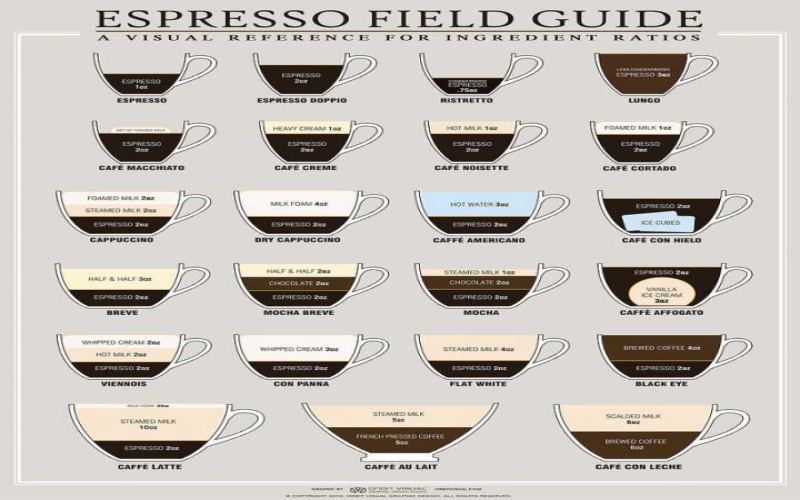
An Illustrated Guide to the Espresso Family: The Ratio Code of Milk and Espresso, and Front Street Coffee's Brewing Parameters
Latte, cappuccino, mocha, Americano, macchiato… Faced with the dazzling array of espresso drink names on a menu, many people feel confused: what exactly is the difference between them? The core difference often lies in the ratio of espresso to milk (or water, cream, chocolate). This article uses a single chart to walk you through the compositional logic of common espresso drinks, from the extraction principles of Espresso to how a moka pot works, and then to specific categories such as white coffee, latte, cappuccino, con panna, mocha, Viennese, and macchiato, explaining their ingredient combinations and flavor characteristics one by one. At the same time, it retains Front Street Coffee's actual parameters and blend bean information for espresso, Americano, latte, cappuccino, and other offerings, helping coffee lovers, on the basis of understanding proportions, more accurately choose or recreate the flavor they like. [more…]